

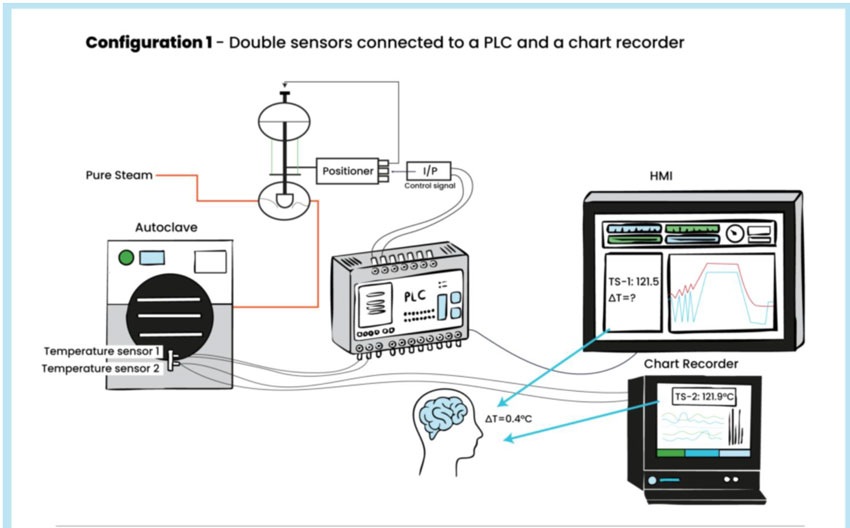
Annex 1 §8.50 — Is Total Sensor Separation Really Required?
Total physical separation between autoclave control and monitoring instrumentation is one valid solution — but it isn't the only one. Modern integrated PLC-based systems can deliver superior compliance with the…
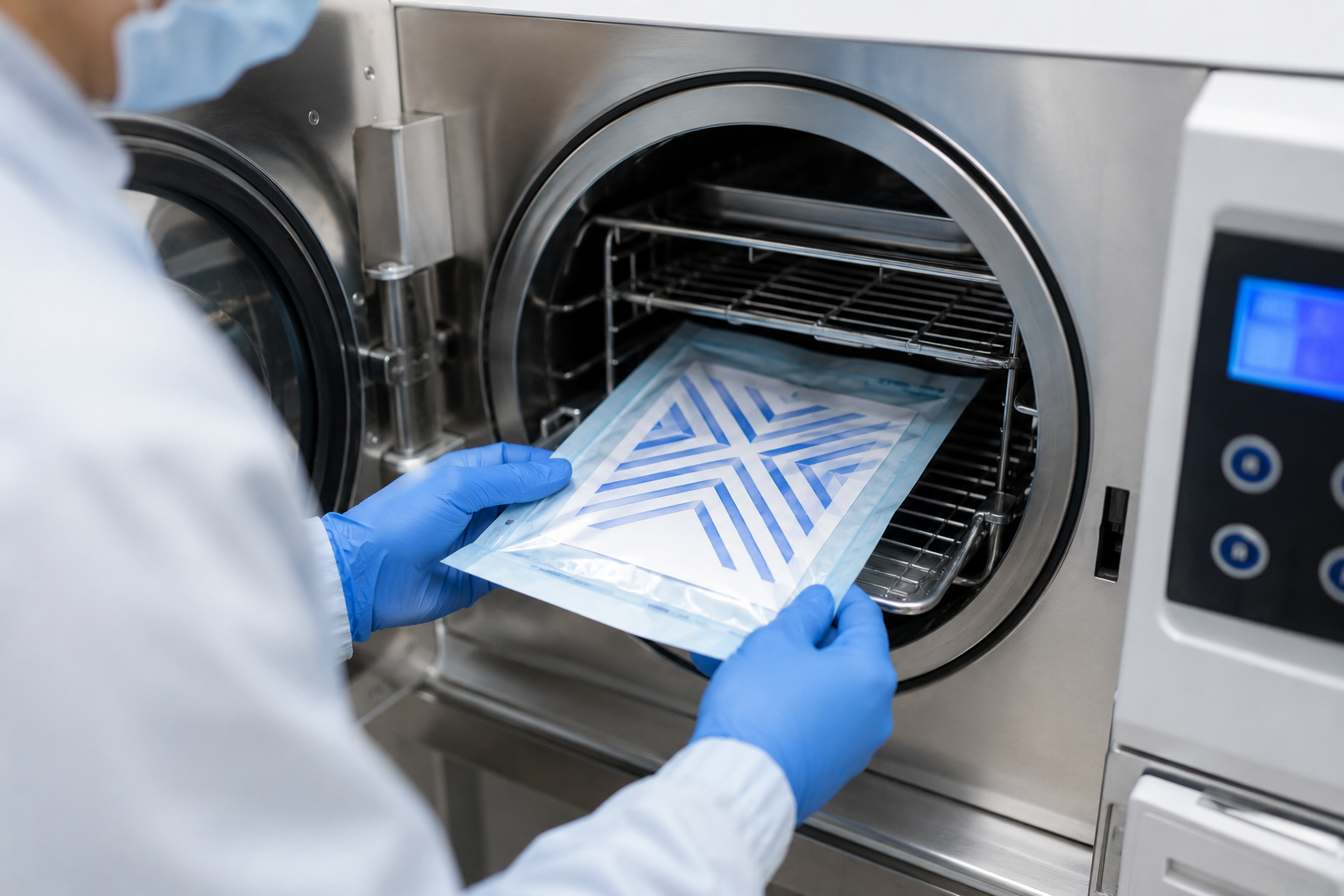
Clarifying the True Purpose of the Bowie-Dick Test
The Bowie-Dick test confirms that an autoclave is functioning correctly. It does not — and cannot — guarantee that the items you sterilize later in the day will be free…

Using FBIO in Overkill Moist Heat Sterilization Cycles
Biological indicators are living systems. Their results carry real value — but interpreted in isolation, they can mislead. Here's how FBIO should sit inside the broader validation framework. 10 min readArnan…
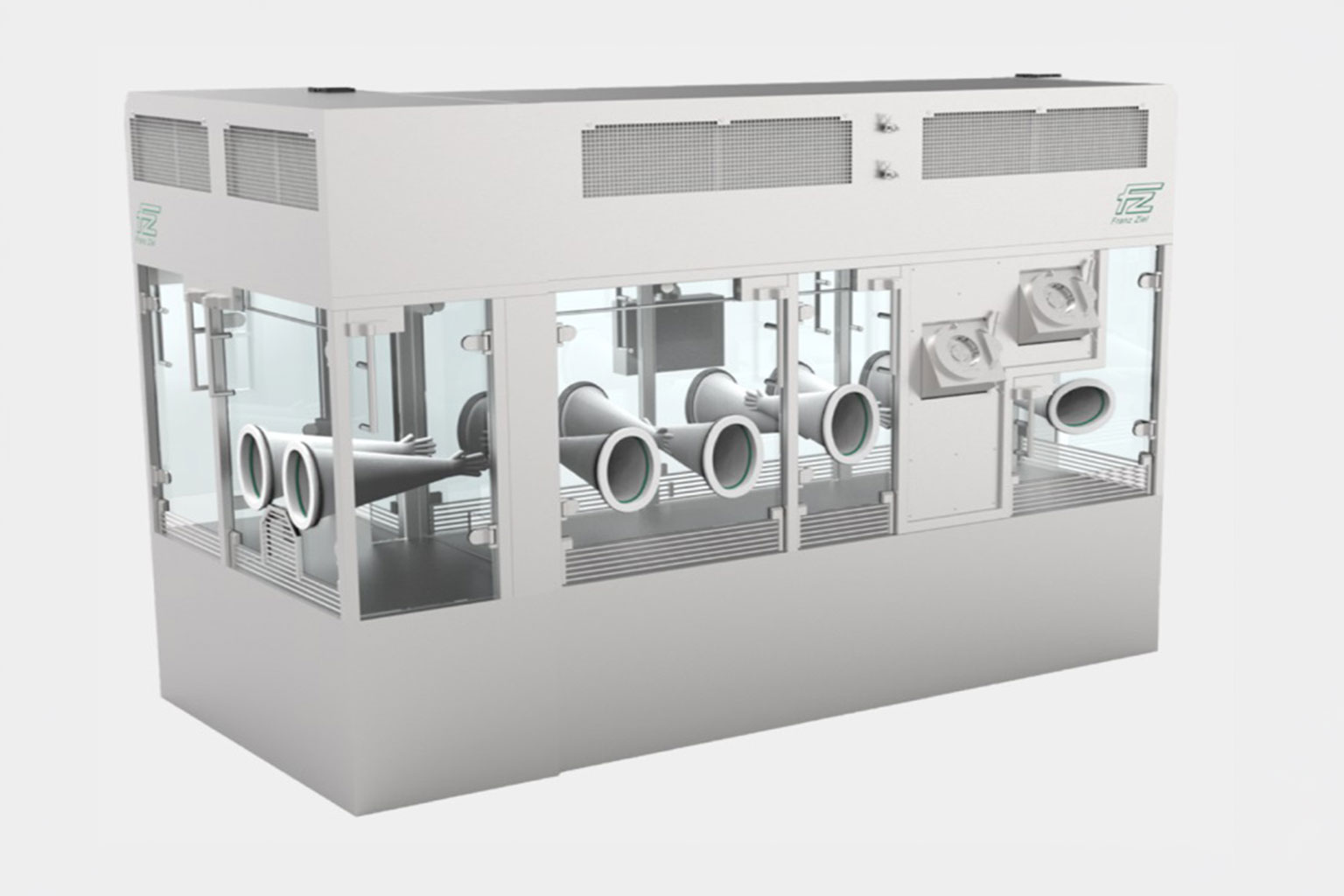
oRABS Air Intake — A Design Flaw Hiding in Plain Sight
Ceiling-mounted air intakes on open Restricted Access Barrier Systems disrupt critical airflow patterns in Grade B cleanrooms. Here's why — and what the right answer looks like. 4 min read …
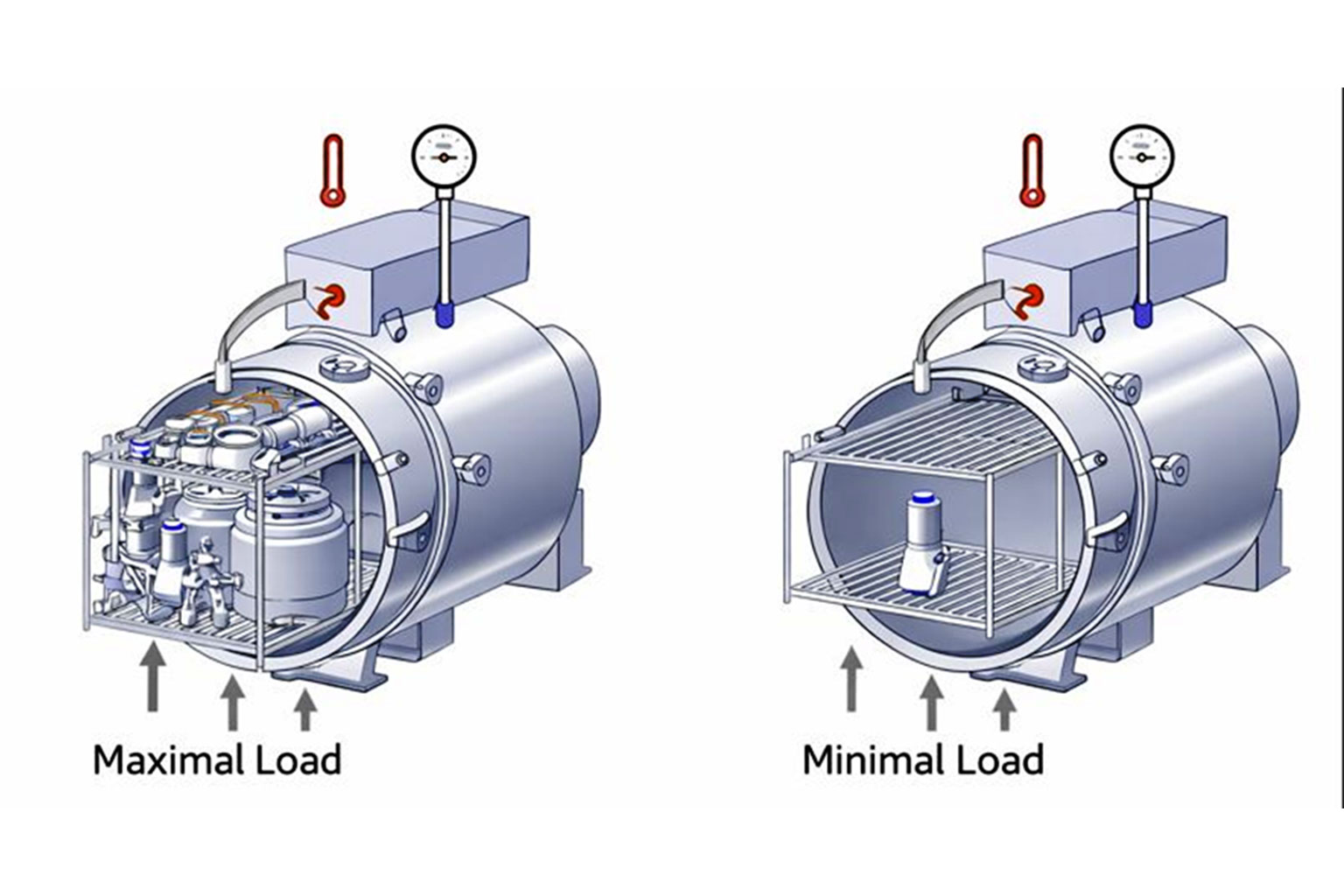
Annex 1 §8.38 — Is Minimum-Load Validation Actually Required?
Annex 1 calls for a justified, risk-based load-validation strategy — not automatic validation of every maximum and minimum load. In high-lethality overkill cycles, dropping the minimum-load study is often the…
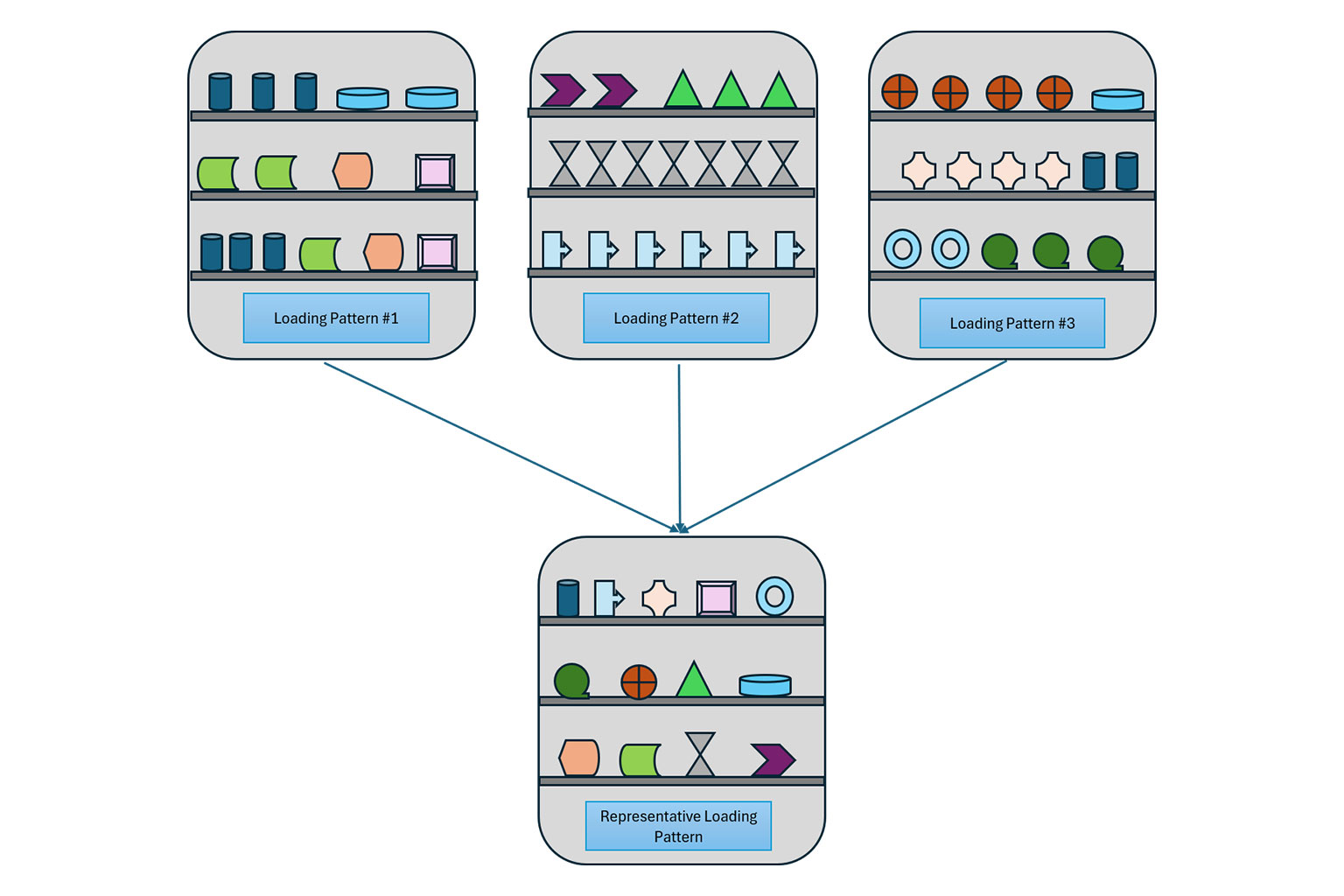
Use of Representative Load Configurations in Validation of Multiple Loading Patterns
Validating each loading pattern individually creates a substantial workload. A single, scientifically justified representative load configuration can validate them all — fully compliant with Annex 1 and FDA requirements. 9…

In Praise of the URS — The First Milestone of Every Project
After 38+ years in pharmaceutical engineering, the lesson is unchanged: skipping the URS is the single most reliable way to waste money, miss deadlines, and end up with equipment that…

